 Skip to content
Most businesses do not replace technology because it reaches a certain age.
They replace it because something breaks.
A laptop becomes unusably slow. A server starts crashing. A firewall can no longer support security updates. Suddenly, a problem that has been building quietly for years becomes urgent.
The challenge is that technology rarely fails all at once. It deteriorates gradually.
Employees wait a few extra seconds for applications to load. Systems become slightly less reliable. Small issues appear more often. Individually, none of these problems seem significant enough to justify replacing equipment.
So the decision gets pushed out another month.
Then another.
Then one day “later” arrives.
The server is out of warranty. Half the office is using computers that can no longer support the latest operating system. Cyber insurance requirements have changed. A critical application requires newer hardware.
Instead of making one planned investment, the business is suddenly facing several.
That is why the most expensive technology decisions are often the ones that were never intentionally made at all.
The Real Cost of Aging Technology
Most business owners assume the biggest risk is hardware failure.
In reality, the bigger problem is what happens before failure.
Slow systems reduce productivity. Employees waste time waiting for applications, rebooting devices, or working around limitations. New software becomes harder to deploy. Security updates become more difficult to support.
Eventually the business begins adapting its operations around technology limitations rather than technology supporting the business.
The financial impact is rarely obvious because it arrives in small increments.
A few minutes lost each day.
An extra support ticket every week.
A project delayed because existing systems cannot support a new requirement.
Over time, those costs become significantly larger than the cost of replacing the equipment in the first place.
Why Good Businesses Budget for Technology Before They Need It
The goal is not to replace everything on a fixed schedule.
The goal is to eliminate surprises.
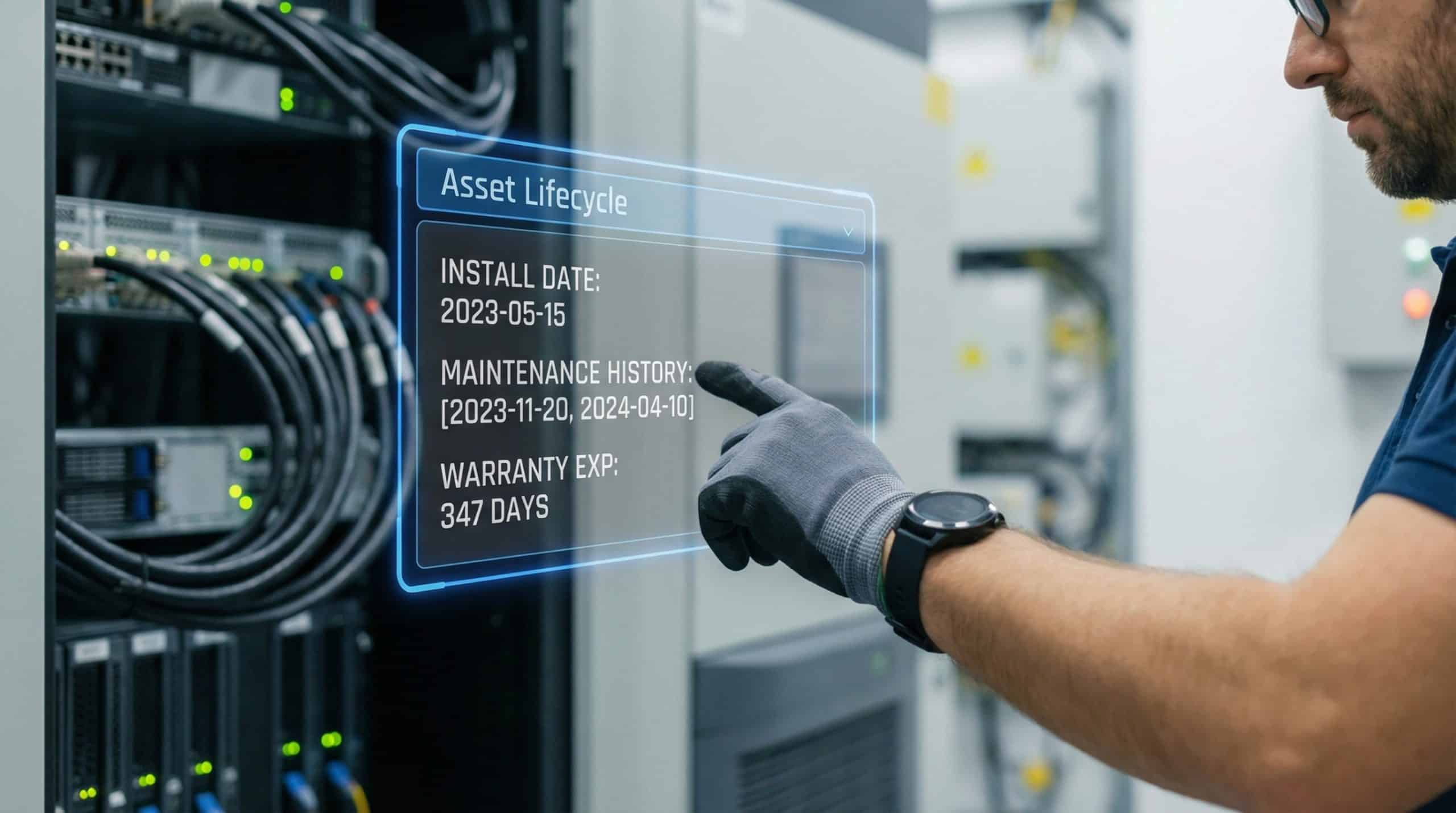
A well-managed technology environment gives leadership visibility into:
- Which systems are approaching end of life
- Which devices present security risks
- Which hardware is likely to require replacement within the next 12 to 36 months
- What future technology investments should be included in upcoming budgets
Instead of reacting to emergencies, the business can make decisions on its own timeline.
That changes everything.
A planned $10,000 investment is manageable.
An unexpected $30,000 emergency is disruptive.
The technology may be identical. The business impact is not.
What We See Most Often
When organizations begin reviewing their infrastructure, the same patterns appear repeatedly:
- Hardware that is no longer supported by the manufacturer
- Operating systems approaching end of support
- Servers running well beyond their intended lifecycle
- Workstations that struggle to support modern applications
- Multiple critical systems that all need replacement at roughly the same time
None of these issues develop overnight.
They accumulate slowly until the organization is forced to act.
Looking Ahead to 2026 and Beyond
Technology demands continue to increase.
Applications require more resources. Security standards become more stringent. Cyber insurance requirements continue to evolve. Businesses are increasingly dependent on cloud services, collaboration platforms, and AI-powered tools.
Hardware that was perfectly adequate five years ago may still function today, but that does not mean it is supporting the business effectively.
Organizations that plan ahead gain flexibility.
Organizations that wait until something breaks lose it.
Final Thoughts
Technology should not become an emergency purchase.
The businesses that experience the fewest disruptions are usually not spending dramatically more on technology. They are simply planning further ahead.
When you know what needs attention this year, next year, and three years from now, technology becomes predictable.
And predictable technology is usually good for business.