 Skip to content
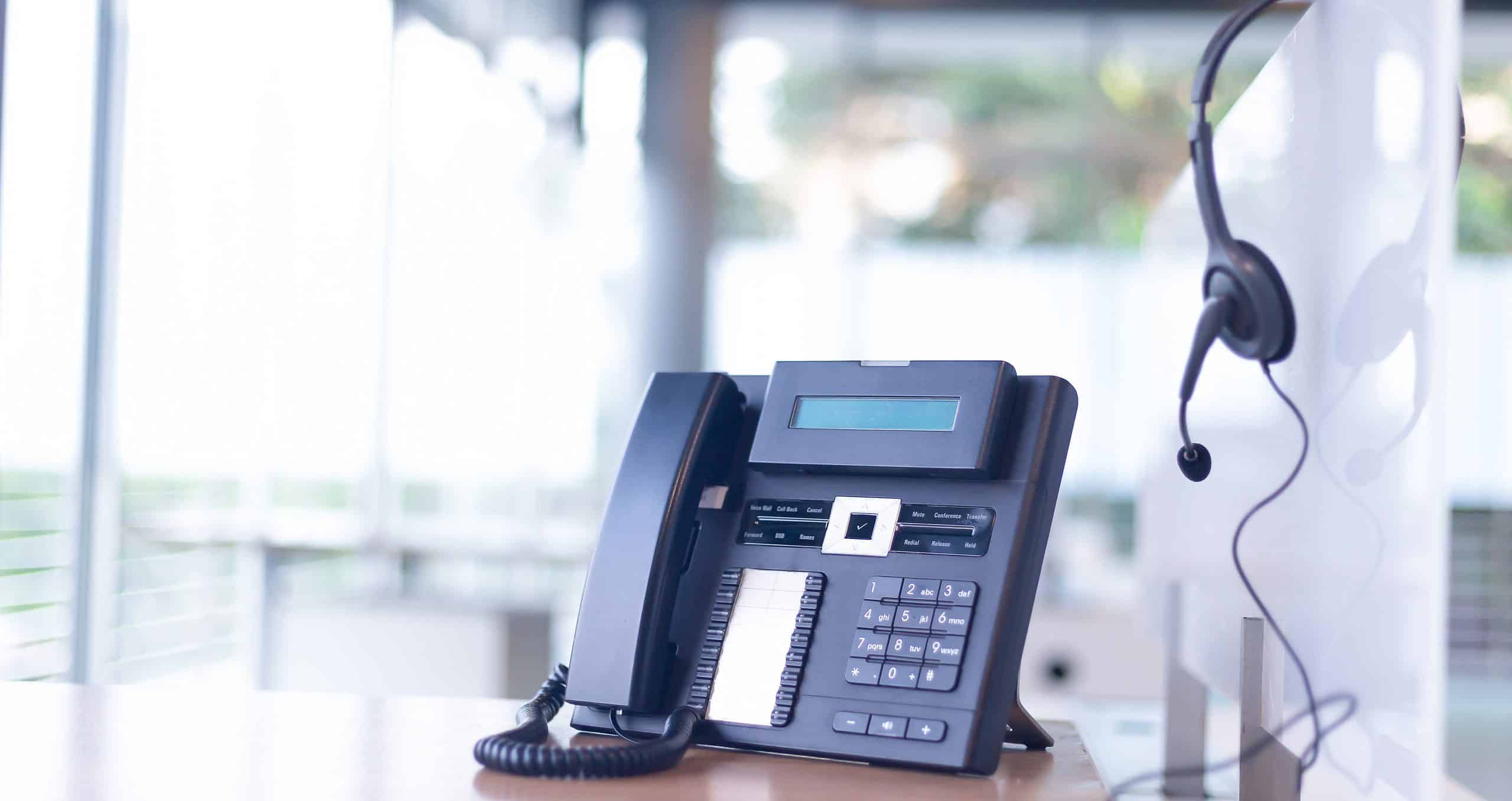
When bad weather hits, most businesses think about power first. Then the internet. Rarely do the phones stop working.
That’s usually the moment it clicks. Customers can’t call in. Staff can’t reach each other. Even simple things like rescheduling appointments or checking on deliveries suddenly become difficult.
And unlike a delayed shipment or a late opening, communication breakdowns ripple through everything.
For SMBs, staying reachable isn’t just a nice-to-have during disruptions. It’s what keeps the business moving.
The Problem With Traditional Phone Systems
Older phone systems weren’t built with disruption in mind. They’re tied to a place, your office, your wiring, your hardware.
If the office goes offline, so does your ability to take calls.
That’s fine on a normal day. But during a storm, when roads are flooded, or power is out for hours, that setup starts to fall apart quickly. Even if your team is ready to work remotely, your phone system might not be.
You end up in a situation where the business technically could keep going… but no one can reach you.
And that gap adds up faster than most people expect.
According to the 2024 ITIC report, downtime can cost SMBs anywhere from $127 to $427 per minute. That’s not just lost sales, it’s missed opportunities, delayed responses, and customers who may not come back.
Why VoIP Holds Up Better When Things Go Wrong
The core difference with VoIP disaster recovery in SMB setups is simple: they’re not tied to a single location.
Your phone system lives in the cloud. Not in a server room. Not in a cabinet in the office.
That means if one location goes down, your communication doesn’t go with it.
With the right cloud VoIP provider, calls can be redirected almost instantly. Your team can answer from their laptops, their mobiles, or even from home if needed. Customers still dial the same number. From their side, nothing really changes.
Internally, though, everything is more flexible.
That flexibility is what makes VoIP SMB solutions feel less like a backup plan and more like a normal way of working.
When Communication Stops, Everything Else Slows Down
Most businesses don’t realize how much runs through their phone system until it’s gone.
Bookings. Support calls. Supplier coordination. Internal updates.
Take that away, and even simple tasks start dragging. Teams rely on workarounds: emails, messaging apps, personal numbers, but it’s messy and inconsistent.
And for customers, it sends the wrong signal. If they can’t reach you, they assume you’re closed. Or worse, unreliable.
Another stat worth noting: research from VikingCloud found that over half of SMBs say a serious disruption could threaten their operations. Communication failures are often part of that bigger picture.
What Actually Makes VoIP More Reliable
A lot of the resilience comes from features that don’t feel exciting until you need them.
- calls can automatically reroute to someone else if one line isn’t available.
- staff can log in from anywhere without needing physical phones;
- mobile apps let teams take calls as if they were still at their desks;
- systems are designed with backup layers, so if one part fails, another takes over.
These aren’t emergency fixes. They’re built into how modern VoIP systems disaster prep works.
And that’s the key difference. You’re not scrambling to fix things mid-crisis. The system is already set up to adapt.
Where VoIP Fits Into Business Continuity
A lot of SMBs still treat communication as separate from IT strategy. It sits in its own lane.
But when something goes wrong, it’s one of the first things that affects everything else.
That’s why more businesses are folding VoIP continuity SMB planning into their overall continuity strategy alongside cloud storage, remote access, and security.
It’s less about having a “backup phone system” and more about making sure communication doesn’t break in the first place.
That shift changes how teams respond during disruptions. Instead of pausing operations, they adjust and keep going.
Why SMBs Are Moving Faster Toward VoIP
For smaller teams, decisions usually come down to what’s practical.
Traditional systems can be expensive to maintain and hard to scale. They also don’t adapt well when your team becomes more mobile, which, realistically, most teams already are.
That’s where hosted VoIP SMB setups make more sense.
- you’re not tied to a physical office;
- scaling up (or down) doesn’t require major hardware changes;
- maintenance is handled through managed VoIP services, so you’re not troubleshooting during a storm;
- your communication setup works the same way whether your team is in the office or not.
It’s a quieter kind of upgrade, but one that shows its value when things aren’t going smoothly.
Choosing a Setup That Actually Holds Up
Not every VoIP setup is equally reliable. Some are just basic systems with a cloud label.
If resilience is the goal, you need more than that.
- a dependable business VoIP provider with a strong uptime history;
- built-in VoIP resiliency services like failover and redundancy;
- support that’s actually responsive when something goes wrong;
- integration with your wider IT setup, so everything works together.
Because during a disruption, the last thing you want is to be figuring out whether your system can handle it.
Final Thoughts
Severe weather isn’t going away. If anything, it’s becoming more unpredictable.
The question for SMBs isn’t whether disruptions will happen; it’s how prepared they are when they do.
With the right SMB communication solutions, staying connected becomes far less fragile. VoIP doesn’t just keep calls coming in. It gives your business a way to keep operating, even when conditions aren’t ideal.
Safebox Technology helps businesses put those systems in place properly, not just so they work on a good day, but so they hold up when it actually matters.