 Skip to content
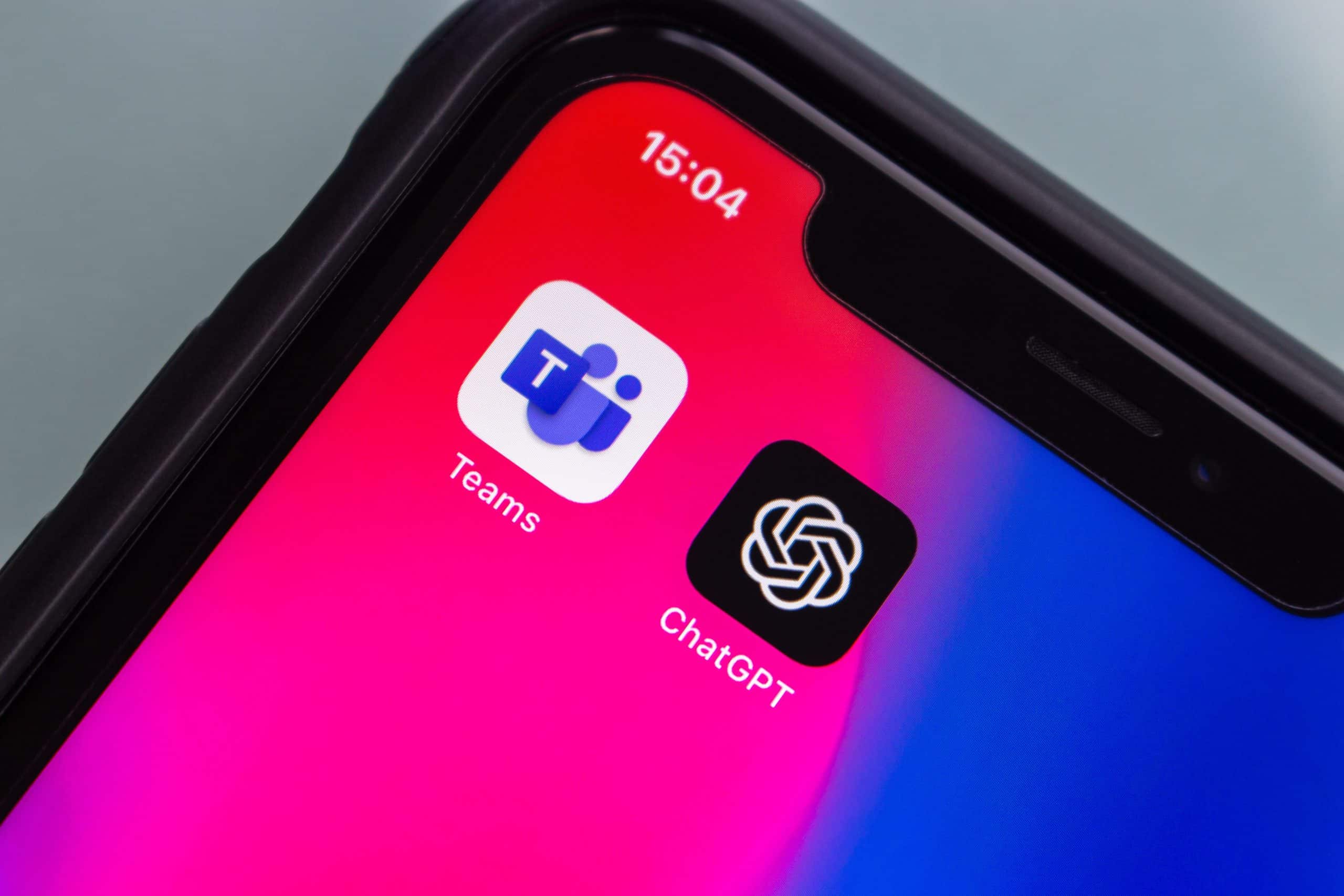
Microsoft Teams has matured far beyond its original role as a messaging and meeting platform. What began as a unified communications tool now sits at the center of how small and mid-sized businesses collaborate, automate workflows, and manage knowledge. For many organizations, the real challenge in 2026 is not adopting Teams; it is adopting Teams. It is unlocking the deeper capabilities already sitting inside it.
At Safebox Technology, we spend a lot of time helping businesses move from basic adoption to strategic usage. The difference between those two stages is significant. Companies that treat Teams as a true operational layer see measurable gains in productivity, more transparent governance, and a better employee experience. Through structured Microsoft solutions, we help SMBs transform familiar tools into meaningful business drivers.
Why Teams Is Still Gaining Ground in 2026
The continued growth in Microsoft Teams SMB adoption is not surprising when you consider how deeply embedded the platform is in the Microsoft ecosystem. Businesses using Microsoft 365 for SMBs often already include Teams. The real opportunity lies in using it more intentionally.
A strong indicator of its staying power comes from enterprise adoption trends. According to industry data, more than 93% of Fortune 100 companies rely on Teams in some capacity. That level of penetration signals a platform that is not just stable but foundational.
For smaller organizations, the same infrastructure that supports global enterprises is now accessible through modern Microsoft cloud solutions that bring enterprise-grade collaboration into the SMB space.
The Shift From Communication Tool to Work Hub
One of the most prominent Teams upgrades SMB leaders should pay attention to is the platform’s evolution into a centralized work hub. Messaging and meetings are still core components, but the real power comes from layering in Teams productivity tools that reduce context switching.
In practical terms, Teams now acts as a unified front end for documents, approvals, automation, and internal knowledge. Instead of bouncing between apps, employees can collaborate, retrieve information, and trigger workflows inside a single Teams collaboration tool.
Many organizations underestimate the operational friction this eliminates, especially when Teams aligns with broader cloud solutions that unify data access and workflows.
AI Is Redefining Daily Workflows
Artificial intelligence has dramatically accelerated how Teams delivers value. In 2026, Copilot-driven experiences are not fringe capabilities. They are shaping everyday workflows across Microsoft Teams SMB environments.
AI-generated summaries, meeting recaps, and contextual action items help teams stay aligned without increasing meeting time. For SMBs trying to do more with leaner teams, this shift is meaningful. Automated knowledge capture reduces the risk of lost insights and improves continuity across departments.
When combined with the broader Microsoft 365 for SMBs ecosystem, AI enhancements transform Teams into a productivity multiplier rather than just a communication channel. Businesses working with experienced Microsoft consultant service providers are already seeing the impact of structured AI adoption.
Underused Features SMBs Should Revisit
Despite rapid innovation, many organizations still use only a fraction of what Teams offers. This is where guidance from Microsoft consultant services or managed Microsoft services can uncover meaningful opportunities.
Several capabilities remain widely underutilized.
Integrated App Ecosystems
The rise in SMBs’ use of Teams apps is one of the most overlooked productivity drivers. Embedded apps allow businesses to bring project management tools, CRM integrations, or ticketing systems directly into Teams channels.
Instead of treating Teams as a standalone interface, forward-thinking organizations treat it as a container for operational workflows. That approach reduces app fatigue while improving data visibility across teams.
Workflow Automation Inside Teams
Automation has become more accessible thanks to tighter integrations with Power Automate and Copilot. Approval workflows, onboarding processes, and internal requests can now run natively within a Teams collaboration tool environment.
For SMBs, this removes reliance on fragmented tools while improving accountability and speed. With the right Microsoft solutions strategy, these workflows can become core operational accelerators.
Persistent Knowledge and Context
Channels and shared files are evolving into structured knowledge bases. With AI search layered on top, Teams is increasingly functioning as a living organizational memory. Businesses investing in Microsoft cloud solutions are seeing more substantial returns when they treat Teams as a knowledge infrastructure rather than just a chat platform.
Governance Is Becoming a Competitive Advantage
As Teams expands in scope, governance is moving to the forefront. The same features that enable flexibility can introduce complexity without apparent oversight.
This is where Microsoft IT support SMB strategies must mature. Channel sprawl, unmanaged guest access, and inconsistent retention policies can create risks if left unchecked.
Effective governance does not mean locking down the platform. It means establishing guardrails that allow innovation without sacrificing visibility. Many SMBs partner with Safebox Technology to implement governance frameworks that scale alongside growth and evolving compliance needs.
Teams and the Future of Hybrid Work
Hybrid work patterns have settled into a long-term reality, and Teams continues to evolve alongside them. The latest Teams upgrades SMB users should evaluate are focused on presence intelligence, meeting equity, and asynchronous collaboration.
AI-powered presence insights help teams coordinate without constant meetings. Intelligent recaps allow employees in different time zones to stay aligned without attending live sessions. These capabilities are especially impactful for distributed SMB teams that rely heavily on Teams productivity tools to maintain cohesion.
When paired with modern cloud solutions, Teams becomes a foundation for sustainable hybrid work models that prioritize flexibility without sacrificing alignment.
Security and Compliance Are More Integrated
Security is no longer a separate layer bolted onto collaboration tools. Microsoft has been steadily weaving compliance and protection directly into Teams experiences.
Features like data loss prevention policies, sensitivity labeling, and secure external collaboration are becoming standard expectations for Microsoft Teams SMB deployments. Businesses that rely on Microsoft cloud solutions benefit from unified security policies that extend across email, files, and chats.
Still, configuration matters. Without proper alignment, even advanced capabilities can remain underutilized. That is why many organizations explore managed Microsoft services to ensure collaboration flexibility does not introduce blind spots.
The Expanding Role of Teams Apps
The Teams apps SMB ecosystem continues to grow rapidly. In 2026, the focus is shifting from novelty integrations to mission-critical applications embedded directly into workflows.
Instead of toggling between standalone tools, companies are consolidating daily operations inside a single Teams collaboration tool environment. This consolidation reduces friction while improving adoption consistency across departments.
From helpdesk dashboards to HR onboarding tools, embedded apps are reshaping how SMBs think about digital workplaces and how Microsoft solutions are delivered in practice.
Where Safebox Technology Adds Strategic Value
Adopting new features is rarely the hard part. Understanding which ones matter for your business context is where many organizations stall.
At Safebox Technology, we help SMBs evaluate their current Microsoft maturity and identify practical next steps. Whether it is aligning governance, unlocking automation, or optimizing Teams productivity tools, our goal is to translate platform capabilities into operational clarity.
Businesses exploring managed Microsoft services often discover that small structural changes deliver outsized results. A well-designed Teams environment can improve visibility, reduce tool sprawl, and streamline collaboration across departments.
Preparing for the Next Wave of Teams Innovation
Looking ahead, Teams will continue expanding as a platform rather than just an application. AI-native workflows, deeper analytics, and tighter integration across Microsoft 365 for SMBs are all pointing in the same direction.
For SMBs, the takeaway is simple. The value of Teams is no longer defined by meetings or messaging. It is determined by how effectively it connects people, processes, and knowledge.
Organizations that invest early in governance, automation, and structured adoption will be better positioned to adapt as Teams upgrades SMB capabilities continue to evolve.
Turning Teams Into a Strategic Advantage
The difference between basic usage and strategic adoption often comes down to clarity. Teams offers a wide range of capabilities, but realizing its full potential requires planning.
If you are unsure whether you are getting the most out of your Microsoft environment, it may be time to reassess how Teams fits into your broader technology strategy. With the proper guidance, a familiar Teams collaboration tool can become a powerful operational layer that drives productivity and alignment.
At Safebox Technology, we help businesses move beyond surface-level adoption and build structured, future-ready Microsoft environments. From governance and automation to long-term roadmap planning, our team delivers practical Microsoft IT support SMB leaders can rely on.
If you are ready to unlock more value from Teams or explore how modern Microsoft cloud solutions can support your growth, we invite you to contact us. Let’s build a more innovative, more connected collaboration strategy for the years ahead.